Teacher Uses AI to Aid English Learners
A Title I high school teacher describes how the 2025 GenerationAI program helped her use tools like Class Companion and ChatGPT as a thought partner to
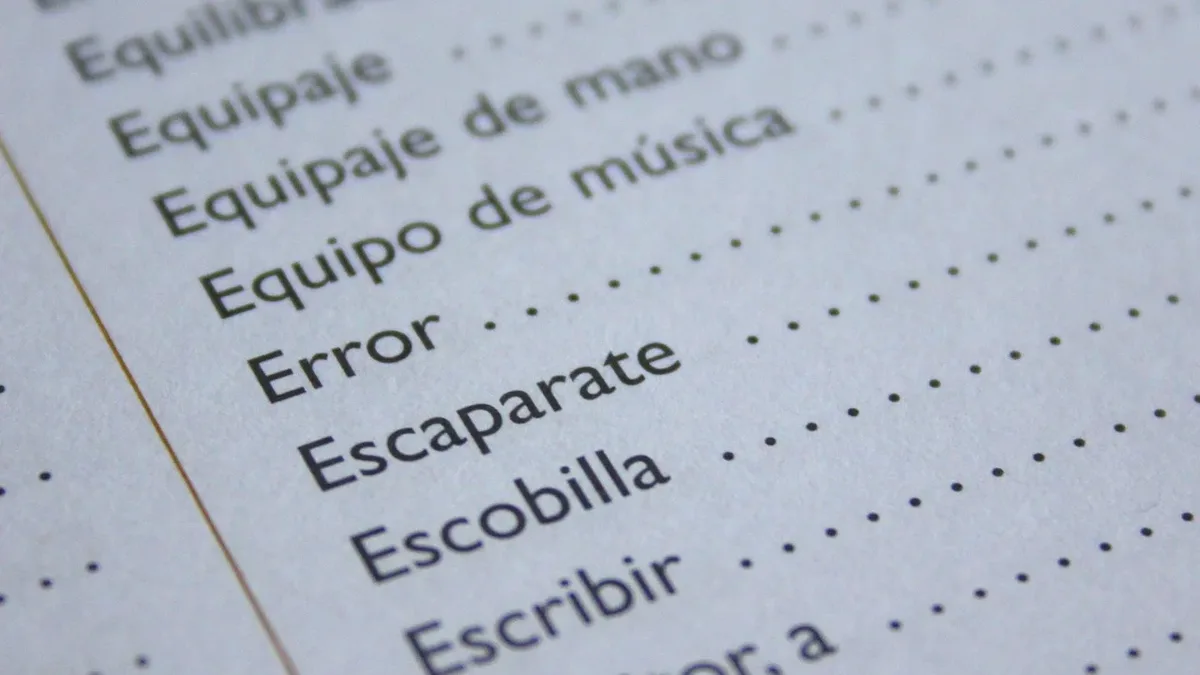
A high school teacher working in a Title I school participated in the GenerationAI educator cohort in 2025. She used AI tools to advance writing skills among English learners in her classroom, finding they amplified rather than diminished her role.
The educator, whose story is part of an EdSurge series, applied to the GenerationAI program after trying to create learning experiences for students handling systems not designed for them. She was selected to join a cohort of educators and communities of practice. The program, which included sessions at Google Headquarters in Chicago, required participants to create a problem of practice and identify AI tools to address it. Her focus was use AI to help English learners (ELs) in a high school English class.
Initially, she was skeptical. Promises of a total teaching revolution from AI research contrasted with her daily reality of managing platforms like Padlet and NoRedInk, and dealing with Wi-Fi issues. However, experts in the program argued that the right AI exposure could help marginalized communities compete with more privileged ones. This convinced her to engage.
AI as a Teaching Thought Partner
During the program, she received AI resources and tools. More importantly, she had opportunities to share what worked in the classroom with fellow educators. She stopped trying to master AI before using it. Instead, she began treating it as a thought partner and collaborator. This shift was key for managing full rosters of students with diverse needs, including English learners and those with IEPs and 504 plans.
After the program ended, she used AI to brainstorm lesson ideas when her own creativity waned. It helped her gather discussion questions and redesign assignments to be more culturally responsive and accessible for multilingual learners. When difficult conversations about topics like immigration and identity arose, AI assisted in planning academically rigorous instructional pathways that also maintained a safe classroom environment.
Specific Tools for Writing and Brainstorming
One major tool from the program was Class Companion. For her English learners, it provided immediate writing feedback. Students could revise their work while their ideas were still fresh, instead of waiting days for teacher comments.
This approach did not make technology the teacher. It gave students more chances to practice and improve. It also freed the teacher from providing rushed feedback due to time constraints. The students were surprised she welcomed AI so openly. She challenged the expectation that educators must know everything before trying a new tool.
Experimentation and Persistent Equity Gaps
Teaching has always involved experimentation, she notes. AI became another avenue for real-time learning alongside students. This included failed experiments, like using Canva's AI image generator with slow internet.
These experiments were vital in a school where innovation is limited not by imagination but by access. She lists ongoing challenges: broken laptops, slow internet that can derail a lesson, and students waiting for functioning devices or chargers. AI did not make these equity issues disappear. In fact, it made them more visible.
She did not leave the GenerationAI program as an expert. She left as a teacher unafraid to experiment. The core lesson, she states, is that true innovation isn't found in mastering every platform, but in being willing to ask deeper questions and take risks. Educators do not need to know every tool. They need to discover how technology can support authentic teaching rather than replace it. In her classroom, the students remained the central focus. AI simply gave her more time to teach in ways that resonated with them.