APA Report Warns EdTech Engagement Does Not Equal Learning
A new American Psychological Association report cautions that student engagement with educational technology, including generative AI, is not a reliable
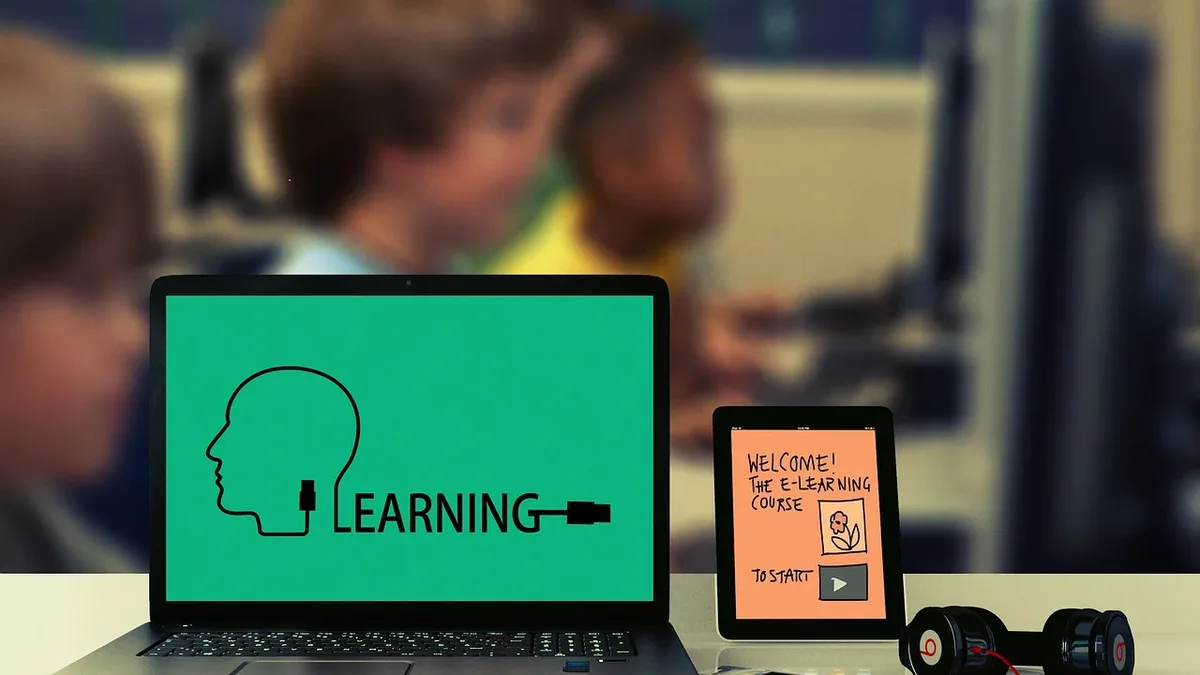
A new expert report from the American Psychological Association (APA) warns that a student's engagement with educational technology is not synonymous with learning. The report highlights generative artificial intelligence tools as a particular risk, as they can improve a student's immediate output without building their underlying knowledge.
The APA Expert Report on Children’s and Adolescents’ Learning with Educational Technology argues that the true test of learning is a student's ability to apply new knowledge away from a screen. It advises parents and educators of children aged 5 to 18 to be skeptical of marketing claims that outpace scientific evidence. Even frequent clicking, responding to animations, or interacting with rewards within an app does not guarantee learning is occurring.
"Educational technology has the potential to profoundly advance students’ learning and abilities, but parents, teachers, and school districts need tools that are safe, supported by evidence, and can genuinely help students learn," said APA CEO Arthur C. Evans Jr., PhD. The report's recommendations are designed to help determine if EdTech tools deliver on their promised outcomes.
Recommendations for Meaningful Learning
Compiled by a panel of psychologists, learning scientists, and EdTech experts, the report synthesizes evidence across apps, games, intelligent tutoring systems, generative AI, and digital platforms. It offers ten evidence-based recommendations. The primary advice is to prioritize tools that build durable knowledge and skills transferable to other contexts, rather than evaluating based on flashy features.
Additional key recommendations include making adult involvement a significant part of EdTech implementation. The report also calls for increased investment in research that can keep pace with rapid technological change. The responsibility for ensuring evidence-backed products lies with both the developers who create them and the schools that adopt them.
The Specific Risks of Generative AI
Educators are urged to exercise particular caution when introducing generative AI tools into learning environments. Nicole Barnes, PhD, APA’s executive lead psychologist for education, explained the core concern. "AI can help a student produce a better essay, but the improved final product does not necessarily mean the student has become a better writer," Barnes said. "Just as we need to separate engagement from learning, we will increasingly need to separate performance from learning."
The report does not recommend banning AI tools. Instead, it advises teaching students to actively evaluate AI-generated responses. Students should learn to question a chatbot's assumptions, identify gaps in its reasoning, and compare responses against other sources. The goal is for students to approach AI as something to continuously test and learn from, not merely as an answer machine.
Practical Advice for Parents
The APA provides straightforward guidance for parents evaluating educational apps. First, spend a minute watching the app in use. If the experience heavily involves dressing a character, selecting accessories, collecting rewards, or responding to flashing images, it is reasonable to question its educational value.
Second, ask a teacher, principal, early childhood leader, or school board member whether credible, independent evidence exists showing the app leads to learning. The report stresses that schools and districts should demand this kind of evidence before investing in any educational technology.