School Districts Pause AI in Classrooms
Two major school districts halt AI tools over safety concerns, while an analysis reveals widespread gaps in vendor transparency for learning platforms.
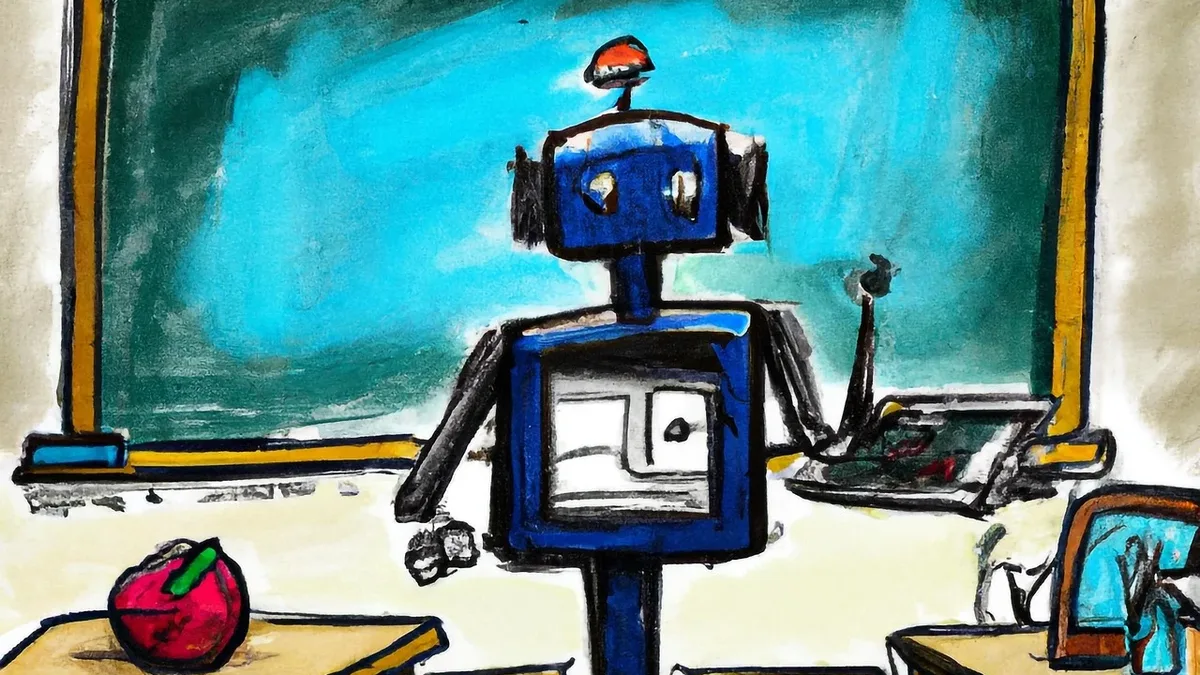
Two major U.S. school districts have paused the use of artificial intelligence in classrooms, sparking debate over student safety and access. Separately, a new analysis finds that most online learning and ed tech vendors publish very little concrete information, such as pricing or implementation details, on their public websites.
AI Pauses in Schools
New York City Public Schools and the Los Angeles Unified School District have both halted the use of AI in classrooms. The stated goal is to keep students safe, but critics argue a pause does not stop students from using AI tools on personal devices. Yvette Renteria, chief program officer at Common Sense Media, supports a temporary pause but stresses students ultimately need to learn AI literacy.
Her organization's Youth AI Safety Institute has tested leading AI chatbots with simulated teen personas for months. It has not yet found a tool deemed valuable for kids and learning. A survey by the group found more than half of teens who had an AI tool blocked at school switched to using it on a personal device. Renteria compares outright bans to abstinence-only education, advocating for schools to use a pause period to build AI literacy programs.
Former Google education evangelist Jaime Casap argues that treating all AI as a monolith is a mistake. He points to New Mexico's AI reading screener, which has faced backlash, as an example of a tool being unfairly grouped with chatbots. Casap contends evidence should drive decisions, not blanket fear. He worries most about students from backgrounds like his own, who might miss out on beneficial, evidence-backed tools due to broad restrictions.
Vendor Transparency Gaps
An analysis of websites from ed tech vendors and online learning providers reveals a significant lack of public information. The review recorded what each company makes publicly available on its site, finding that most publish very little concrete data to aid purchasing decisions. This gap is becoming more critical as buyers increasingly use AI search assistants that scrape and present whatever limited information exists online.
Fewer than one in four vendors publish any pricing information. Only about a third have a public case study. Details on implementation are found on roughly one in ten sites, and technical documentation appears on about one in fourteen. A page comparing the product to alternatives is the rarest, appearing on only about one in twenty websites. Most public content consists of explainer articles, trend pieces, and opinion, which do not help in comparing specific vendors.
The lack of transparency forces buyers to rely on familiar names, according to a researcher who runs independent efficacy studies. She notes that school and district leaders, overwhelmed with vendor outreach, often revert to companies they already know. This dynamic likely applies to corporate learning and development leaders as well, potentially causing them to overlook newer or better-fitting products. The article advises asking vendors for five key pieces of information in writing before agreeing to a demo call, starting with a price range.