Online Reputation Management Strategies: How To Stay Visible And Trusted In Search And AI Results
Online reputation management now involves building a consistent and credible body of evidence across search engines, AI platforms, reviews, media, and directories to ensure buyers find an accurate, authoritative, and trustworthy representation of a company.
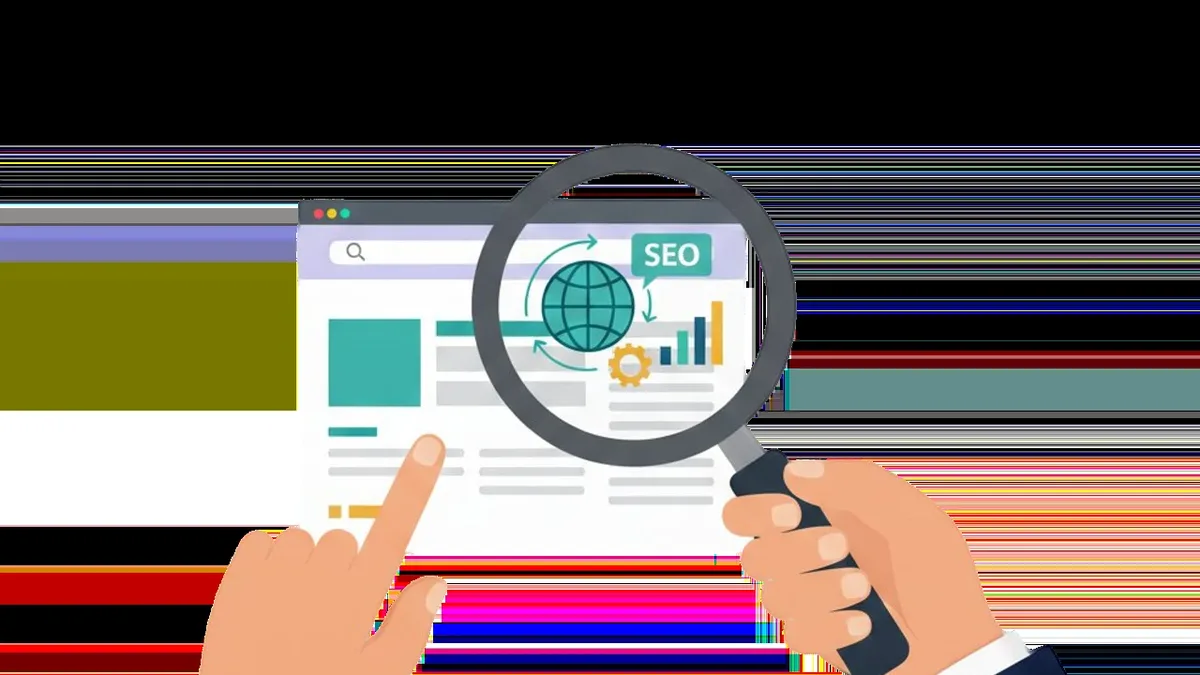
Online reputation management is no longer limited to a company's website and first-page Google results. Prospective buyers consult reviews, directories, executive profiles, industry publications, social discussions, and AI assistants before making decisions.
These sources combine to form a comprehensive view that search engines and AI platforms synthesize before a buyer even visits the company's site. Therefore, reputation management extends beyond responding to criticism or publishing press releases.
The core task is to create a consistent, credible body of evidence that helps buyers understand who the company is, what it excels at, its limitations, and why it should be trusted.
Brands cannot directly control every search result or AI-generated answer but can enhance the quality, consistency, authority, and availability of the information that feeds those results.
This guide outlines 12 practical strategies to achieve that goal, covering branded search, customer reviews, executive visibility, third-party authority, AI narratives, customer experience, risk response, and measurement.
Online reputation management is the strategic process of improving how a company is represented and perceived across search engines, review sites, media outlets, social platforms, industry directories, customer communities, and AI-generated results.
What Is Online Reputation Management, And How Has It Changed?
Online reputation management is the ongoing process of improving the information, evidence, and experiences that shape how people view a company online.
Traditionally, reputation management focused on search results, press coverage, and customer complaints. While those areas remain important, the online research process has become more complex as buyers move between search engines, AI assistants, directories, reviews, social platforms, podcasts, comparison pages, and industry publications before deciding.
A modern reputation strategy must support three main objectives: accuracy, authority, and trust.
Accuracy
Accuracy asks whether the available information about the company is correct and current.
A buyer should find consistent details about the company's products, category, leadership, target customers, pricing approach, integrations, support, and security. Inconsistent descriptions across the website, directories, social profiles, and media coverage make the brand harder to understand.
Authority
Authority asks whether credible sources support the company's claims and expertise.
A brand may describe itself as experienced, reliable, or innovative, but those claims gain weight when supported by customer outcomes, industry coverage, research citations, expert interviews, reviews, awards, or respected partners.
In B2B markets, authority often depends on the quality of validating sources, not just the frequency of the company's name appearing online.
Trust
Trust asks whether the information available to buyers reduces uncertainty.
A trustworthy online presence answers difficult questions rather than avoiding them. It explains how implementation works, what support customers can expect, which companies the product suits best, and where important limitations exist.
Trust also depends on the experience behind the content. A polished website cannot permanently compensate for weak support, misleading sales claims, difficult onboarding, or unclear renewal terms.
Monitoring, Management, And Crisis Response
Reputation monitoring, management, and crisis management are related but distinct activities.
Online reputation monitoring asks, "What is being said about us?" It tracks search results, reviews, news coverage, social discussions, customer feedback, and AI-generated answers.
Reputation management asks, "What information, evidence, or experience should we improve?" It may involve updating a product page, responding to reviews, correcting a directory profile, improving customer support, earning media coverage, or publishing new customer evidence.
Crisis management asks, "How should we respond to a serious and immediate threat?" This could involve misinformation, a security incident, coordinated manipulation, legal risk, or widespread customer criticism.
Why AI Has Expanded Reputation Management
Traditional search presents buyers with a list of ranked pages, which they then open, compare, and use to reach a conclusion.
AI search can shorten this process. A buyer enters a prompt, the system draws information from several sources, and the response may present a summarized conclusion about the company.
That conclusion could include perceived strengths, weaknesses, customer opinions, product suitability, competitors, or common use cases. In some situations, the buyer may accept the summary without visiting the company's website.
For this reason, reputation management must now consider not only which pages rank, but also which sources are available for AI platforms to discover, interpret, compare, and cite.
Strategy 1: Audit Your Current Reputation And Define The Narrative You Want To Own
Before improving a company's reputation, the team needs to understand what buyers currently find and what they are likely to conclude.
A useful audit should cover branded search, AI-generated content, third-party evidence, and company-owned information. It should also look beyond the company name because buyers often use more detailed searches when evaluating a vendor.
Audit Branded Search
Start by searching the company name and product names. Then test the searches buyers are more likely to use during evaluation, such as the brand name followed by "reviews," "competitors," "alternatives," "complaints," "pricing," or "customer service."
Executive names should also be reviewed, especially in B2B markets where leadership visibility can influence trust. A buyer may search a founder, CEO, or product leader before agreeing to a partnership, investment, interview, or enterprise purchase.
While reviewing the results, consider the full experience rather than focusing only on rankings. Ask whether a buyer can quickly understand what the company does, who it serves, how it compares, and what customers think.
Also note whether outdated, incomplete, or conflicting information appears prominently. A strong company website may not solve the problem when the rest of the search results tell a different story.
Audit AI-Generated Results
Next, test relevant prompts across the AI tools your buyers are likely to use.
Useful questions may include:
- Is this company reputable?
- What are its strengths and weaknesses?
- Is it suitable for this particular use case?